Bringing Petit Loir Home: Tréguier to Bergen

The plan was to leave Tréguier on 1 June, as soon as the final crew member arrived. There were six of us: three experienced sailors, including me, and three friends with less experience.
The weather had other ideas. A succession of Atlantic low-pressure systems brought strong winds, rain and rough seas to the English Channel. The contemporary Met Office outlook described low pressure as the dominant feature of the week, with gusty winds and even the possibility of coastal gales.
Petit Loir could undoubtedly cope with difficult conditions, but the crew had never sailed together and most of us did not yet know the boat. There was little sense in beginning a delivery of almost 1,000 nautical miles by taking unnecessary risks. We waited.
On 5 June, a suitable opening finally appeared and we left Tréguier for Guernsey. There was very little wind, so we had to motor, but the sea still carried a substantial swell. From aboard, the largest waves appeared to be around three to four metres.
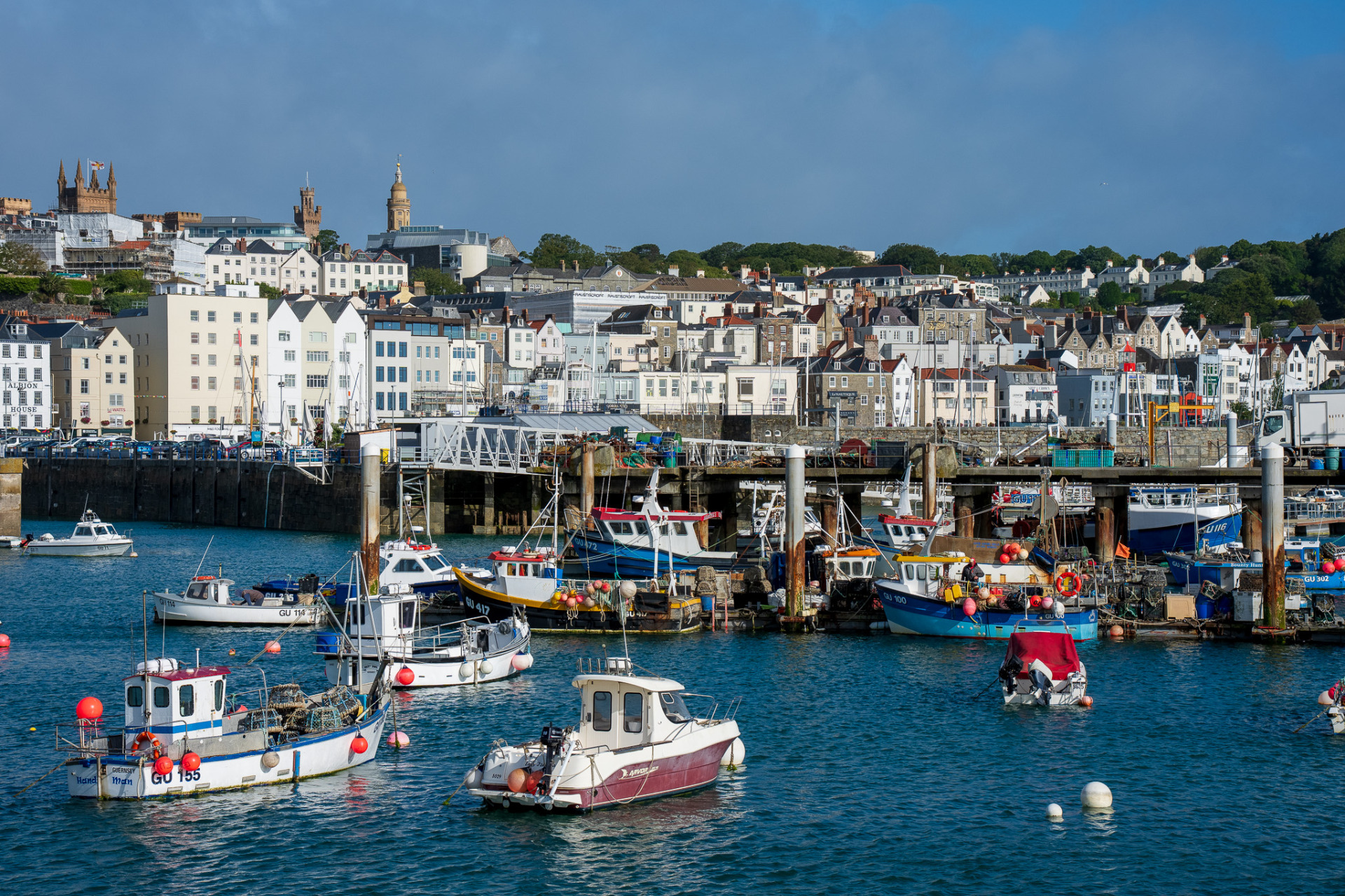
It was an excellent first demonstration of the boat's character. Petit Loir moved calmly and confidently through the swell, and nobody became seasick. By the time we reached Guernsey, everyone's confidence in her had increased considerably.
We remained there for two nights while another depression passed. This was not simply excessive caution: the Met Office forecast published on 5 June showed a deep low close to Britain, tightly packed isobars and coastal gales in the southwest.
From Guernsey, we continued to Cherbourg, crossing the tide-dominated waters around the Alderney Race. Between Alderney and Cap de la Hague, spring currents can approach ten knots, making timing far more important than distance.
We reached Cherbourg after approximately six hours and waited there for nearly seven more, allowing the tide to turn in our favour before continuing east. The next leg was an overnight passage of about 109 nautical miles to Dieppe.
A pattern was beginning to emerge. We would travel when the conditions and tides allowed it, then remain in port while the next unsuitable period passed. After roughly a day and a half in Dieppe, we continued to Dunkirk and then crossed into the Netherlands, reaching Vlissingen on 11 June.
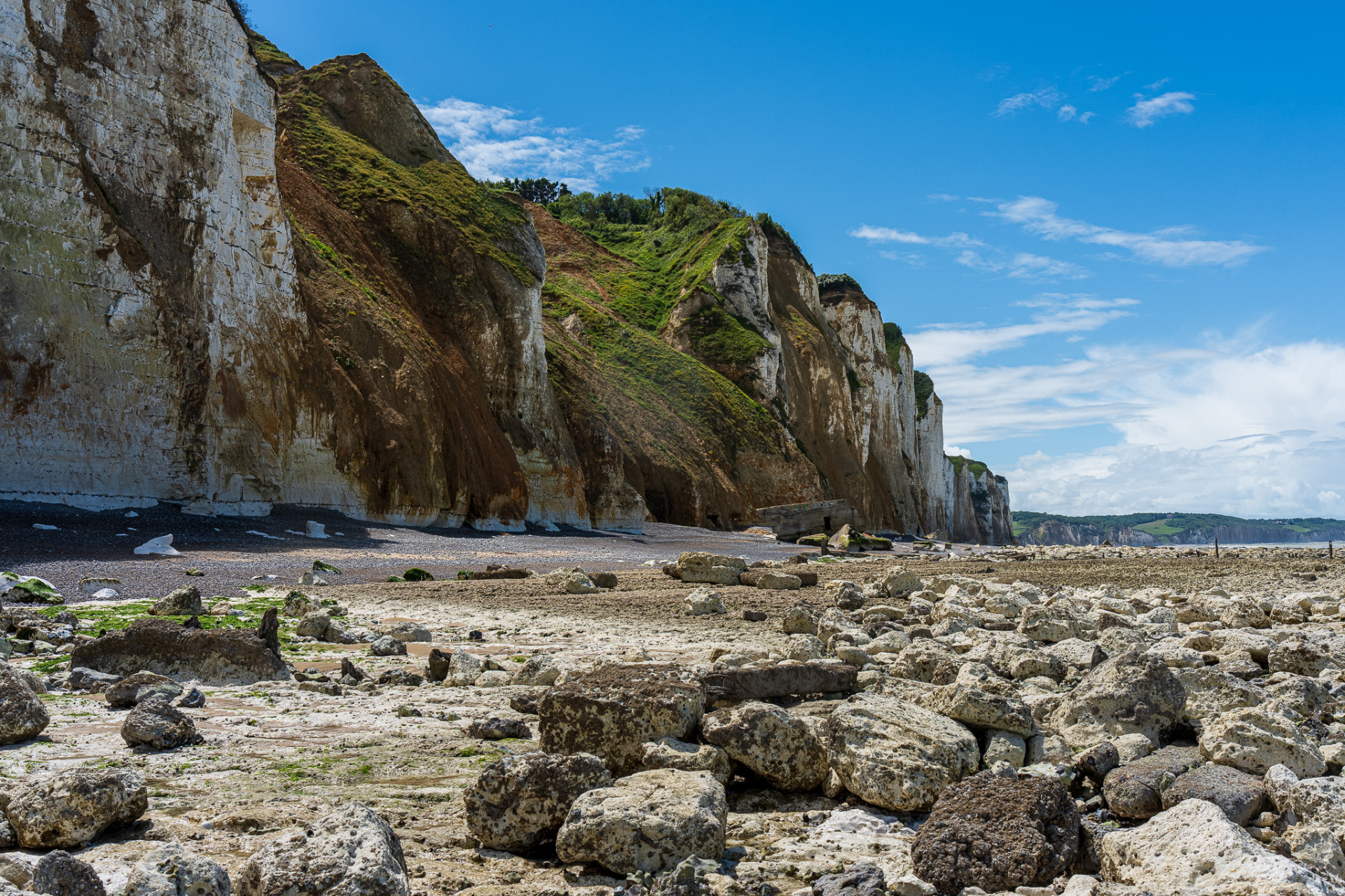
Vlissingen became our longest stop. The engine had accumulated its first 50 operating hours, so the scheduled Volvo Penta service had to be completed before we continued. Given how much motoring we were doing, it was not something to postpone. Weather kept us there as well, and altogether we remained in Vlissingen for about three days.
Two crew members had to leave us in Vlissingen because of work commitments, reducing the crew from six to four. We continued to Texel.
By then, the weather was changing character. The succession of lows was giving way to higher pressure. The forecast for the weekend of 13–14 June predicted easing winds as high pressure became established. Conditions were becoming safer, but not necessarily better for sailing. Frequently there was too little wind, or none at all.
We left Vlissingen on 14 June and covered approximately 122 nautical miles to Texel. This was our final stop before the North Sea crossing. There, one additional experienced sailor joined us, bringing the crew back to five for the final leg.
The final leg was by far the longest: approximately 500 nautical miles from Texel to Askøy, taking a little over three days. It represented more than half the distance of the entire delivery.
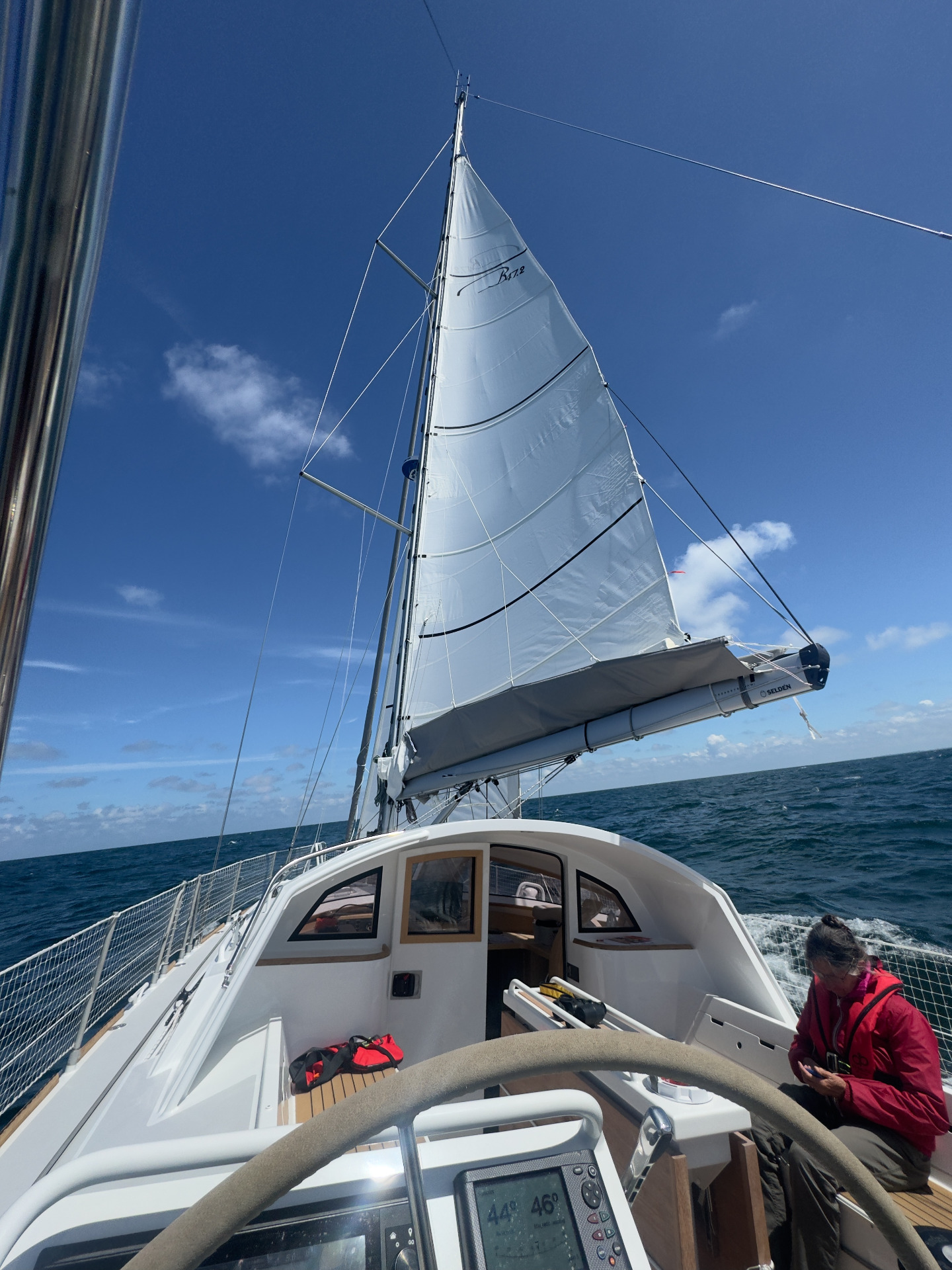
Once again, we motored for much of it. Throughout the voyage, the weather seemed to offer two choices: either far too much wind, often combined with an unfavourable tide, or barely enough wind to move the boat. There were few opportunities for sustained sailing in between.
Nevertheless, morale remained good. Nobody became seasick, and confidence in Petit Loir continued to grow. Twice during the North Sea crossing, dolphins appeared and followed the boat for a while—a welcome interruption to the long watches and the steady sound of the engine.
As we approached Norway, we expected the first sight of the coast to feel like an arrival. Instead, we travelled for a surprisingly long time along it without seeing land at all. Fog hid the mainland from us, and rain further reduced visibility.
Once we entered the fjords of Norway, however, the weather cleared. We were rewarded with a beautiful day, and everyone found it impressive. At that time of year, it never becomes properly dark—or is dark only briefly—so the journey from Haugesund to Askøy became a sightseeing trip in exceptionally good weather.
Finally, shortly after midnight on 19 June, we reached Askøy.
The GPX track records approximately 980 nautical miles between Tréguier and the end of the delivery. Almost half the elapsed time had been spent stationary—in Guernsey, Cherbourg, Dieppe, Dunkirk, Vlissingen and Texel—waiting for weather, tides, servicing or crew changes.
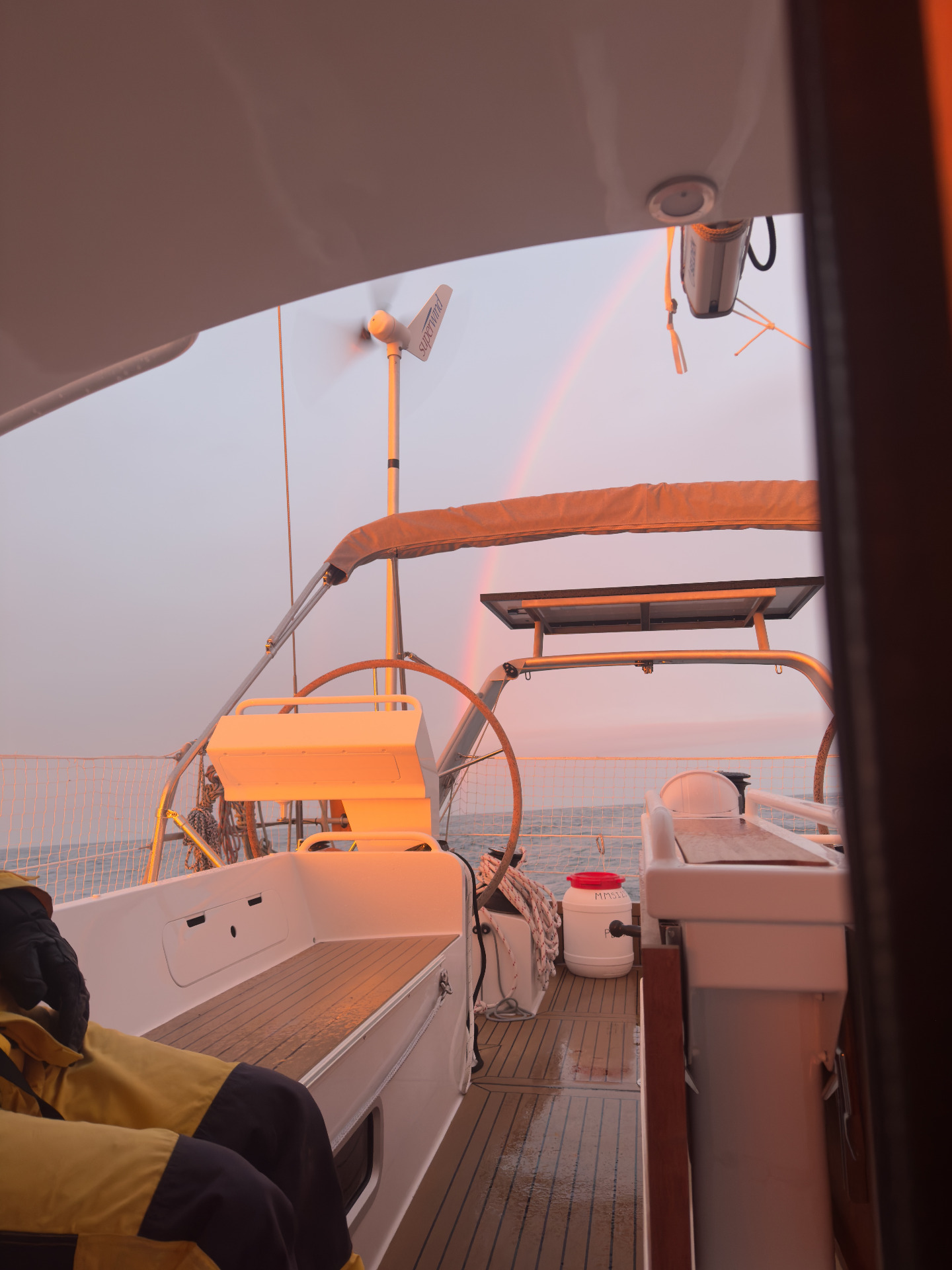
It might not have been the sailing passage we hoped for. We had motored far more than expected, waited repeatedly and reached the Norwegian coast without initially being able to see it. But the delivery had still been a valuable experience. The crew had remained happy and healthy, and everyone stepped ashore with much greater confidence in the boat.
Most of all, we were relieved—and very happy—to have brought Petit Loir home.